How Fouling Builds
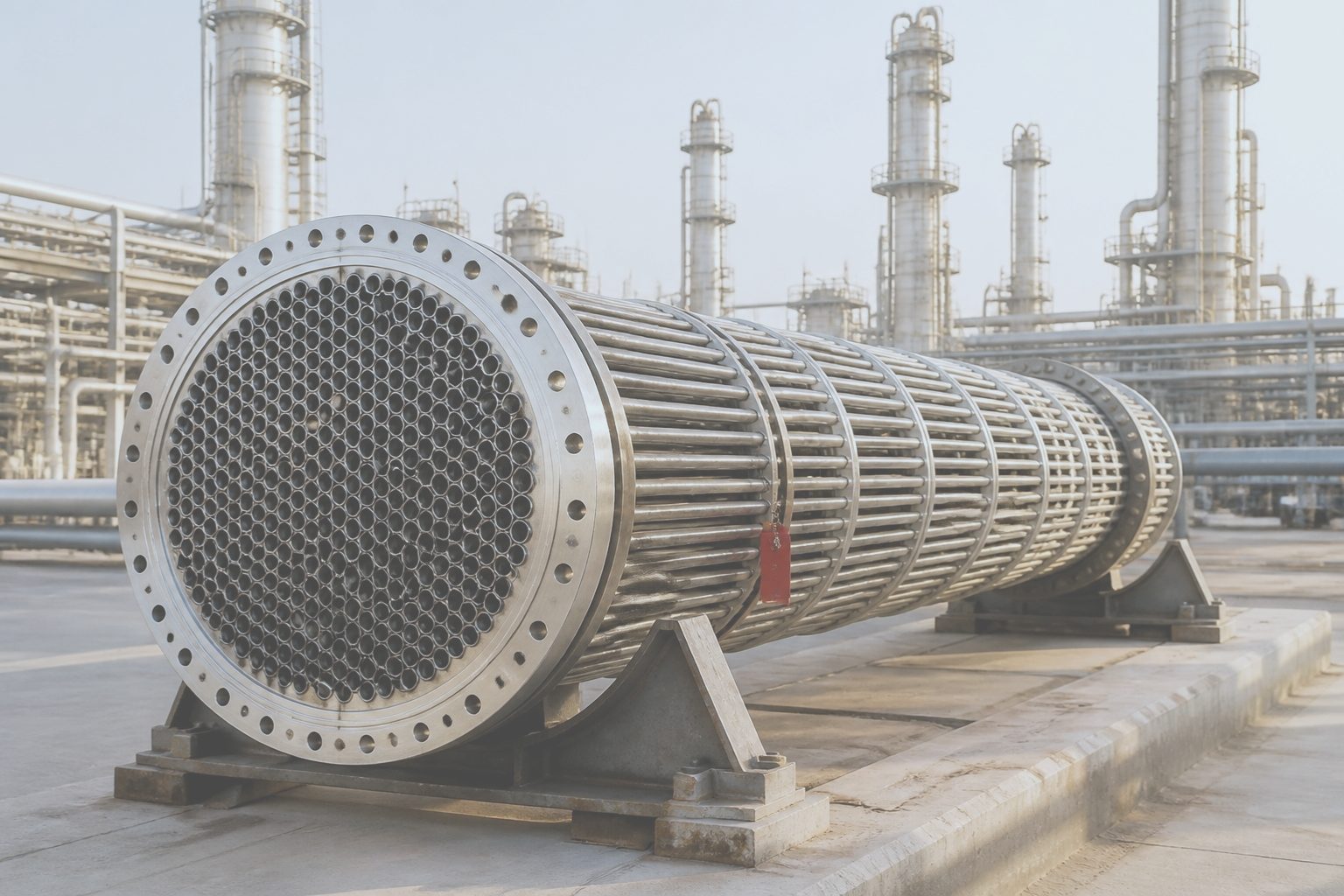
Deposits form on heat-transfer surfaces from many sources: mineral scale from cooling water, corrosion products, biological growth, waxes and heavy hydrocarbons, and fine particulates. Each layer adds thermal resistance, and the exchanger works harder to deliver the same duty.
The Warning Signs
Watch for a rising approach temperature, an increasing pressure drop across the exchanger, falling outlet temperatures and higher energy use upstream. Trend these against clean-condition data and the decline becomes clear long before a unit limits production.
Choosing the Cleaning Method
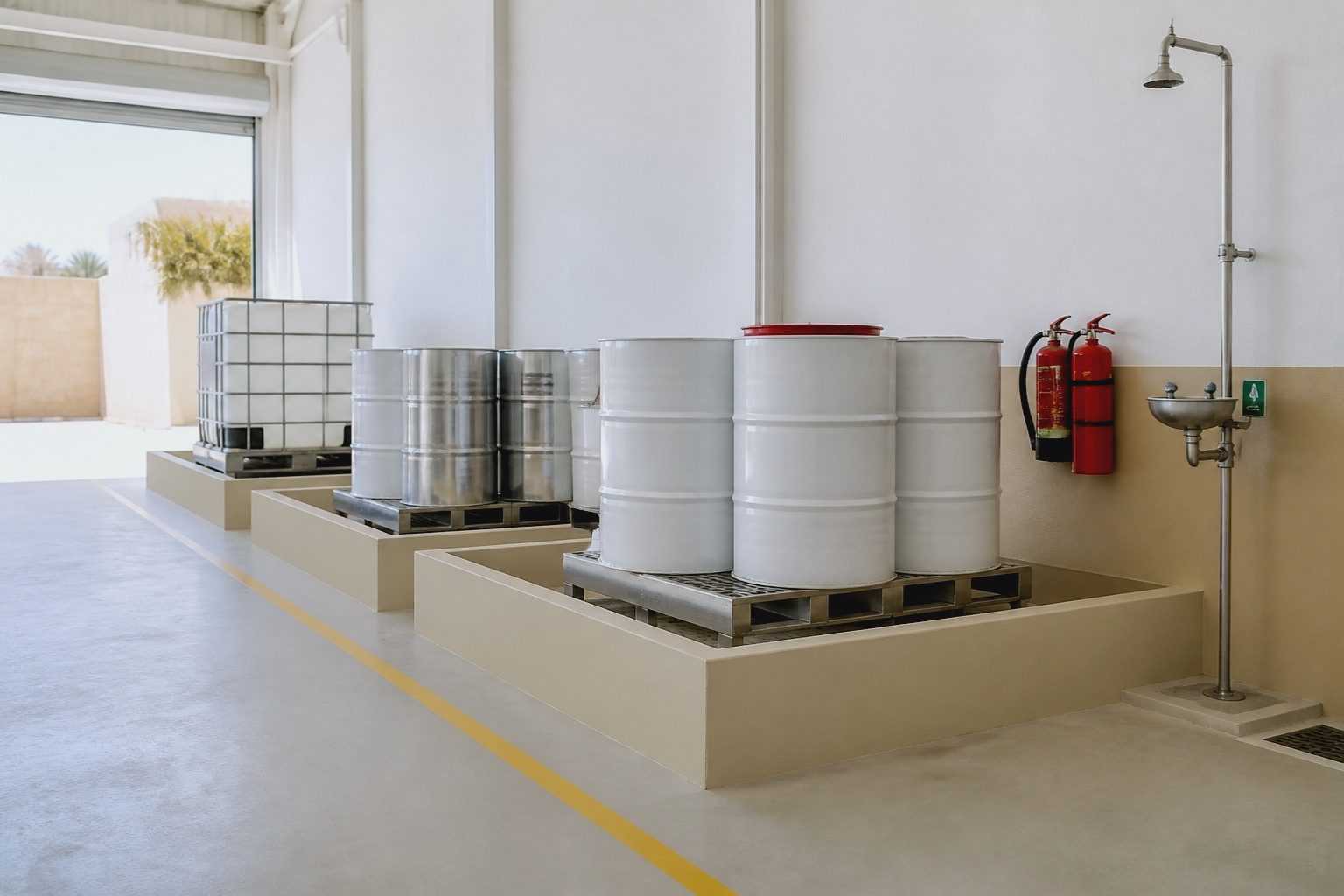
Chemical cleaning circulates a tailored solution through the exchanger, reaching surfaces that tools cannot and often avoiding the need to pull the bundle. Mechanical methods suit hard, localised deposits. The right choice depends on the deposit, the metallurgy and the outage window.
Proving the Result
A good cleaning programme measures before and after: solution sampling during the job, inspection of accessible surfaces, and a return-to-service check of temperatures and pressure drop. Documented recovery turns maintenance from a cost into a demonstrable gain.