Begin with the Process
Record the product, its density and dielectric properties, operating pressure and temperature, and whether foam, vapour, turbulence or an interface between two liquids is present. These conditions narrow the choice more than any catalogue.
Know the Main Technologies
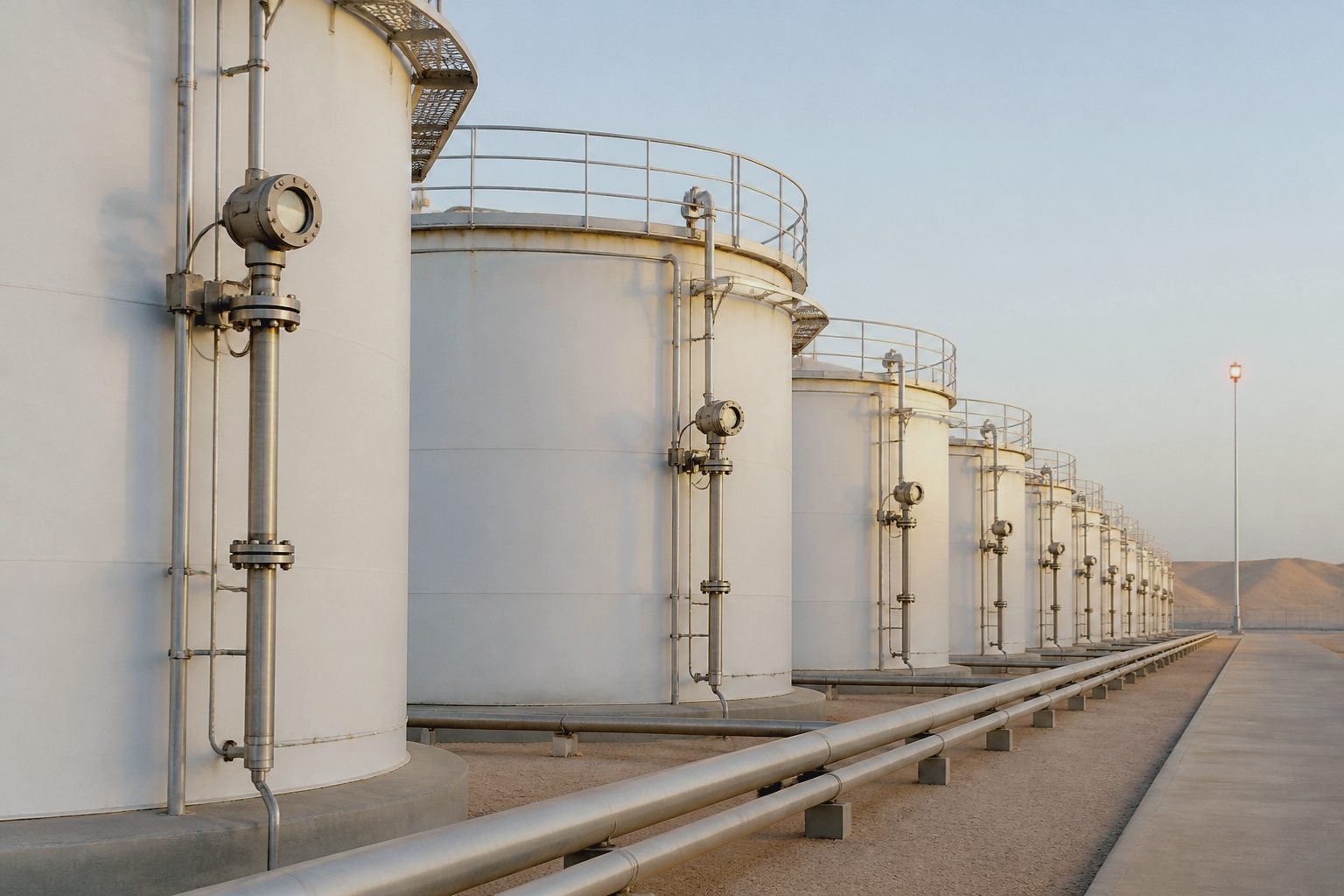
Guided wave radar handles vapour, foam and interfaces well in most vessels. Non-contact radar suits large storage tanks and aggressive products. Differential pressure is robust and familiar but depends on density. Displacers remain common for interface service. Magnetic level gauges give clear local indication, and ultrasonic devices serve many water and utility duties.
Consider Safety and Certification
Instruments in classified areas need the correct hazardous-area certification, and level loops that form part of a safety function need suitable integrity ratings. Overfill protection is usually independent of the control measurement.
Plan for the Life of the Instrument
Choose devices that can be verified, calibrated and maintained with the access available. Local support for commissioning, spares and repairs matters as much as the specification on day one.